Getting Outdoor and Landscape Lighting Right the First Time
Good outdoor lighting isn't about buying more fixtures. It's about deciding what the light is actually for before anything gets installed.
September 10, 2026 · 4 min read
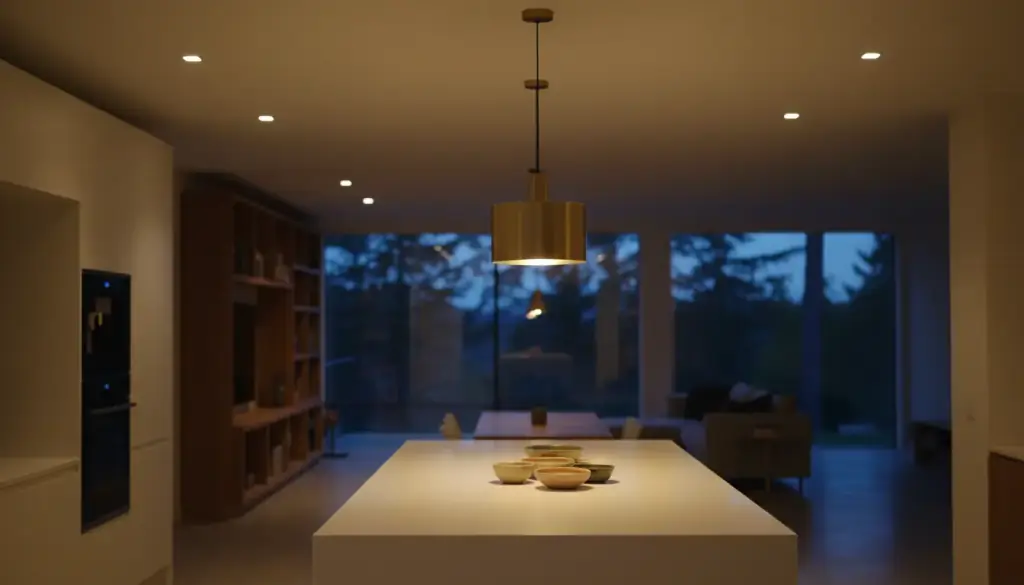
Outdoor lighting is one of those projects that looks simple from the sales aisle and gets complicated fast once you're actually planning it for a real property. A box of solar path lights or a string of uplights aimed at a tree can look fine for a season and then fade, fail, or just never look like it was actually designed. The difference between a yard that looks lit on purpose and one that looks like fixtures got added over time usually comes down to decisions made before a single light goes in the ground.
Start with what the light is for
There are really two different jobs outdoor lighting does, and they get planned differently. One is functional: lighting a walkway, a driveway, steps, or an entry so it's safe to move around at night. The other is about how the property looks: uplighting a tree, washing a wall, highlighting a garden bed. Both are legitimate reasons to add lighting, but a plan that treats every fixture the same way, same brightness, same spacing, same fixture type, ends up serving neither job well. Safety lighting needs even, reliable coverage. Feature lighting is about contrast and shadow, and it can be more selective about where it puts light.
Layout comes before fixture selection
The order a lot of outdoor lighting projects go wrong in is fixture-first: someone picks fixtures they like, then figures out where to put them. Flip that order and the result is almost always better. Walk the property, decide what actually needs light and why, sketch the layout, and only then pick fixtures that fit each spot's job. A path light does one thing, a well light aimed up into a tree canopy does something else entirely, and a fixture chosen for the wrong role in the layout either underlights the spot it's in or overlights it and washes everything else out.
The circuit is the part nobody thinks about until it fails
Here's the part that separates a lighting project that lasts from one that doesn't: the circuit behind it. Outdoor and landscape fixtures live outside in Michigan weather, through freeze-thaw cycles, snow load, and everything wet that comes with a Michigan year. A circuit that isn't planned for that exposure, wrong wire, wrong connections, no real weatherproofing at the junctions, is going to fail well before the fixtures themselves wear out. And once a run starts failing, it tends to fail one light at a time in a way that's genuinely annoying to trace back to the actual problem.
- Which areas need light for safety versus which areas are purely about how the property looks
- How fixtures are grouped on a circuit, since one bad connection can take out everything downstream
- Whether the circuit and connections are rated for real outdoor exposure, not indoor parts pressed into outdoor use
- How the lighting is controlled, whether that's a switch, a timer, or something that responds to dusk and dawn
LED changed the fixture, not just the bulb
Most outdoor and landscape work today runs on LED fixtures, and that has changed more than the electric bill. LED fixtures run cooler and last far longer than the old incandescent or halogen units they replaced, which matters outside where a fixture up in a tree or buried in a garden bed is genuinely annoying to access for a bulb change. It also means smaller fixtures can throw usable light without the heat that used to limit how close a light could sit to plantings, siding, or landscaping materials. The tradeoff is that not every LED fixture is built to the same standard, and a cheap one in a damp, freezing environment fails faster than the wiring around it does. Picking fixtures rated for the job they're actually doing, not just the cheapest option at the size you need, is part of why some outdoor lighting still looks good after five winters and some doesn't make it through one.
Control matters as much as placement
The last piece is how the lights actually turn on and off. A switch inside the house that someone has to remember to flip every evening gets forgotten within a month. A timer helps, but it drifts against the actual sunset as the seasons change. Getting the control right, so the lighting does what it's supposed to without someone babysitting it, is part of the install, not an afterthought tacked on at the end.
Interior, exterior, custom, or landscape, lighting is one of the few upgrades where the finished look and the electrical work behind it are equally important. Get the layout and the circuit right together, and the lighting looks intentional and keeps working through every Michigan winter it has to sit through. If you're planning anything outdoor for a property around Bronson, the estimate is free, and warranties are offered on lighting work so the cost of a future repair is already covered.
B&B Electric of Bronson, (517) 369-2512
Call (517) 369-2512More articles
How Big a Generator Does Your Bronson House Actually Need
Before anyone talks Generac models or price, the real question is what has to keep running when the power drops.
Wiring a Pole Barn or Outbuilding on a Rural Michigan Property
A barn isn't a smaller version of a house circuit. Distance, moisture and how the space actually gets used change the whole plan.